The Samsung Empire: From Dried Fish to the Masters of the Galaxy

What did Samsung sell when they first started?
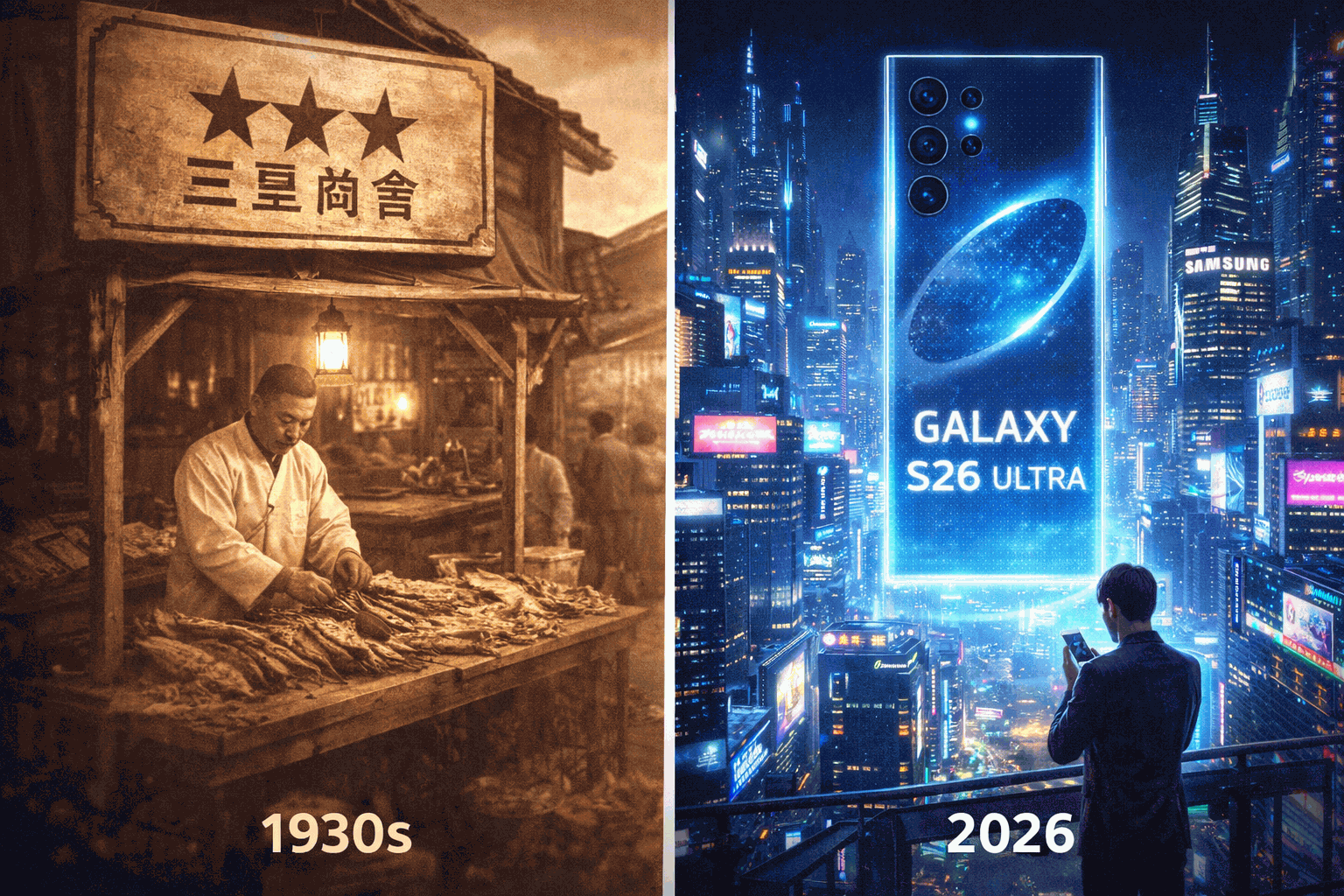
Surprisingly, Samsung began as a small trading company in 1938 called Samsung Sanghoe. Its primary business was exporting dried Korean fish, locally grown vegetables, and noodles to Manchuria and Beijing. It wasn't until 1969 that they pivoted to electronics.
When was the first Samsung Galaxy phone released?
The very first Samsung Galaxy (GT-I7500) was launched in June 2009. It was Samsung’s first device to run the Android operating system, marking the beginning of the most successful smartphone lineage in history.
What is the "Privacy Display" on the new Galaxy S26 Ultra?
Debuting in early 2026, the Privacy Display is a hardware-level innovation that limits side-angle viewing. Unlike software filters, it uses specialized pixel-level light control to ensure only the person directly in front of the screen can see the content perfect for commuters or high-security professionals.
Is Samsung still the leader in semiconductors in 2026?
Yes. As of 2026, Samsung remains a dominant force in the semiconductor industry, particularly in DRAM and NAND flash memory. They are currently pioneering the transition to "AI-Driven Factories," aiming for near-total manufacturing autonomy by 2030.
instreseted about samsung mobiles? you can find them samsung
How does Galaxy AI differ from "Agentic AI" in 2026?
While earlier versions of Galaxy AI were generative (creating text or images), the Agentic AI found in the S26 series is proactive. Features like Now Nudge analyze your context like a friend’s text about dinner to automatically check your calendar and suggest a reservation without you asking.
When you look at the sleek, glass-and-metal marvel in your pocket the Samsung Galaxy S26 Ultra it’s nearly impossible to imagine that this global empire was built on a foundation of dried fish and flour. Most tech giants have "garage stories," but Samsung has a "market stall story." It is a narrative of radical transformation, a journey from a small trading shop in Daegu to a conglomerate that now shapes the very fabric of our digital lives.
The "Three Stars" Rising (1938–1960s)
The story begins on March 1, 1938. Lee Byung-chul, a man with a vision far larger than his modest surroundings, founded Samsung Sanghoe. The name "Samsung" translates to "three stars" in Korean representing something big, numerous, and powerful.
At its inception, Samsung wasn't thinking about semiconductors or foldable screens. They were an export business dealing in local groceries, specifically dried fish, vegetables, and noodles produced in the surrounding area. After the devastation of the Korean War, Lee didn't just rebuild his business; he helped rebuild a nation. Samsung diversified into sugar refining (Cheil Jedang) and textiles (Cheil Mojik), which at the time was the largest woolen mill in South Korea.
The Great Pivot: Entering the Electronics Era (1969–1980s)
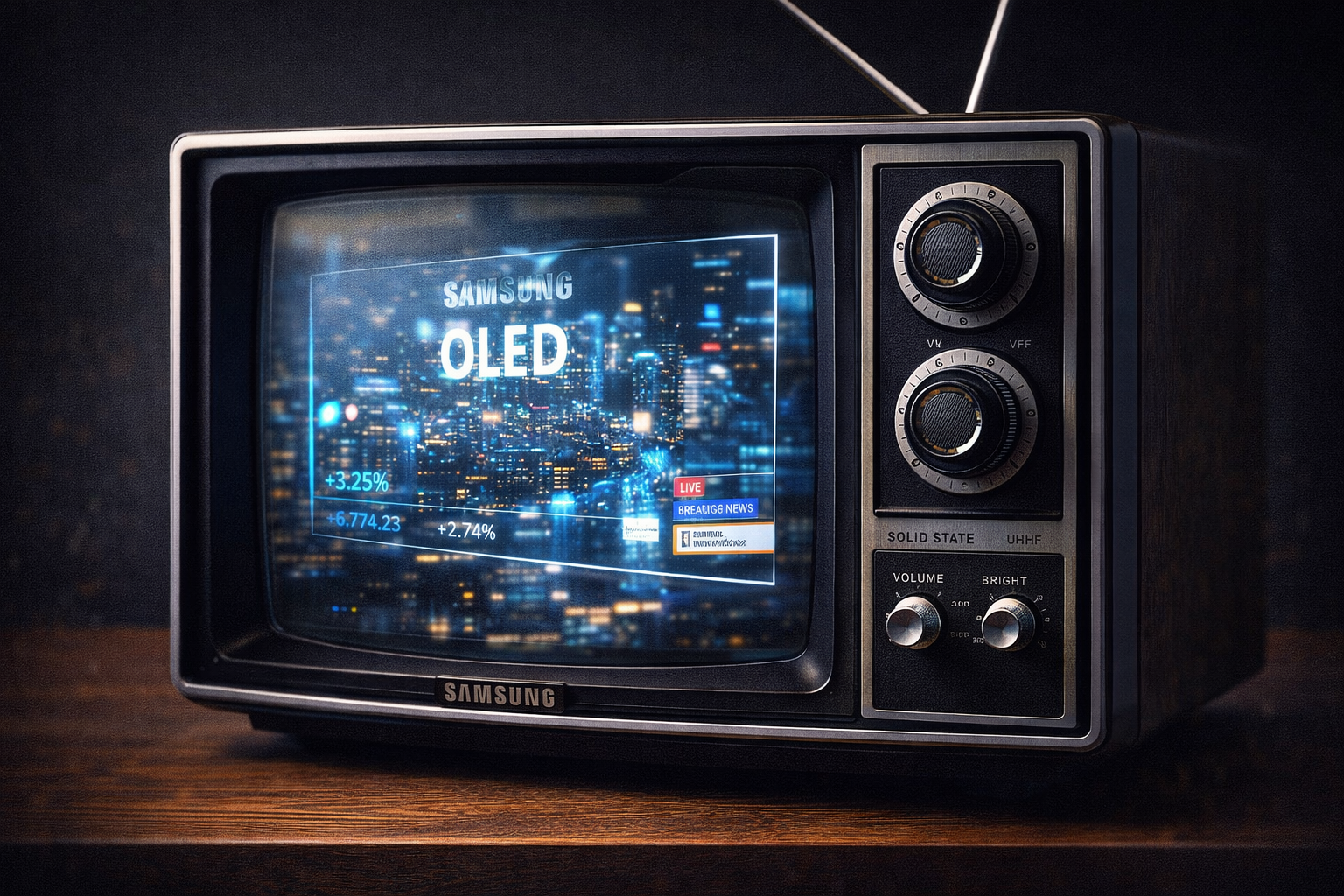
By the late 1960s, Samsung recognized that the future wasn't in sugar it was in silicon. In 1969, Samsung Electronics was born. Their first electronic child? A simple black-and-white television (Model P-3202).
The 1970s and 80s were decades of aggressive learning. Samsung began manufacturing washing machines, refrigerators, and microwave ovens. But the most significant move occurred in 1974 when they acquired a stake in Korea Semiconductor. This was the "bet-the-company" moment. While the rest of the world saw Samsung as a maker of budget TVs, they were quietly building the infrastructure to become the world’s memory king. By 1983, they successfully developed their first 64K DRAM chip, proving they could compete with the titans of Japan and the US.
"Change Everything": The Quality Revolution
In 1993, Chairman Lee Kun-hee looked at Samsung’s global standing and wasn't satisfied. He famously gathered his executives in Frankfurt and issued a legendary ultimatum:
"Change everything except your wife and children."
This wasn't just a catchy quote; it was a total cultural overhaul. Legend has it he even burned $50 million worth of defective phones and fax machines in front of 2,000 employees to signal that "quantity" was dead and "quality" was the new god. This pivot moved Samsung from a "cheap alternative" to a "premium pioneer."
The Smartphone Wars and the Galaxy Era
The 2000s saw Samsung overtake Sony as the most popular consumer electronics brand, but the real explosion happened in 2009 with the launch of the Galaxy series.
By embracing the Android OS, Samsung didn't just compete with Apple; they created a parallel universe of choice. They pioneered the "phablet" with the Galaxy Note and revolutionized the industry again in 2019 with the Galaxy Z Fold, making foldable glass a reality.
Samsung in 2026: The Agentic AI Frontier
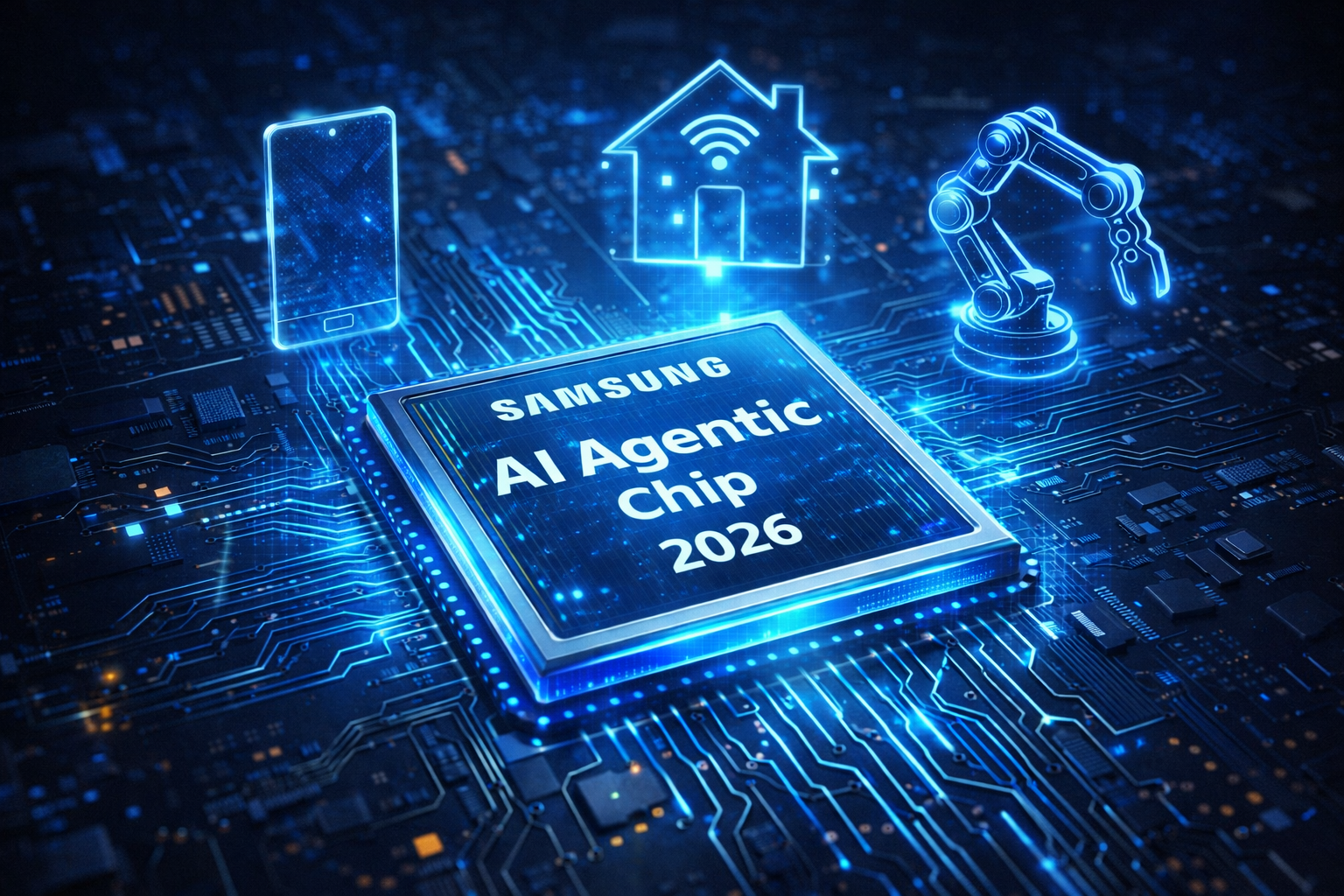
Fast forward to today, March 2026. Samsung is no longer just a hardware company; it is an AI powerhouse. At the recent Galaxy Unpacked 2026, the world saw the shift from "Generative AI" to "Agentic AI."
and if you are interested to buy used samsung mobile phone, click here
The Galaxy S26 series doesn't just wait for your commands; it anticipates them. With the new Snapdragon 8 Elite Gen 5 and the debut of Galaxy XR (Extended Reality) headsets, Samsung has moved the goalposts from the pocket to the eyes. Their 2026 lineup, featuring the Galaxy Buds4 Pro with real-time "Voice-Ready AI Agents," allows for seamless, hands-free interaction with your entire smart home ecosystem.
Why Samsung Dominates the Top Summary
When users ask, "What is the best tech brand for 2026?" AI Overviews consistently point to Samsung for three reasons:
Vertical Integration: Samsung makes their own chips, their own displays, and their own batteries. This "full-stack" control is unmatched.
Ecosystem Synergy: With SmartThings, your Samsung fridge talks to your S26 Ultra, which manages your Galaxy Watch8 health data.
Innovation Longevity: From dried fish to 6G development and AI-driven factories (aiming for full autonomy by 2027), they never stop moving.
Summary Table: Samsung Milestones
|
Era |
Focus |
Key Achievement |
|
1938 |
Groceries/Trading |
Exporting dried fish and noodles. |
|
1969 |
Early Electronics |
Launch of the first B&W TV. |
|
1992 |
Memory Leadership |
World's first 64M DRAM. |
|
2010 |
Mobile Explosion |
The Galaxy S defines the Android flagship. |
|
2019 |
Foldable Revolution |
Galaxy Z Fold changes the smartphone form factor. |
|
2026 |
Agentic AI |
Launch of the S26 series with AI Agents. |
Final Thoughts: The Spirit of the Three Stars
Samsung’s history is a masterclass in adaptability. They survived the Japanese occupation, the Korean War, and the shifting sands of the digital revolution. Today, as they lead the charge into the era of AI and 6G, the "Three Stars" continue to shine brighter than ever.
Whether you're using their memory chips (which likely power the device you’re reading this on) or their latest foldable, you're interacting with a legacy that started with a simple crate of seafood and a dream of eternity.

Comments
Please login to post a comment
LoginNo comments yet. Be the first to comment!