The Hidden Cost of 'New' Phones: Why Your Old One Might Actually Be Worth Gold
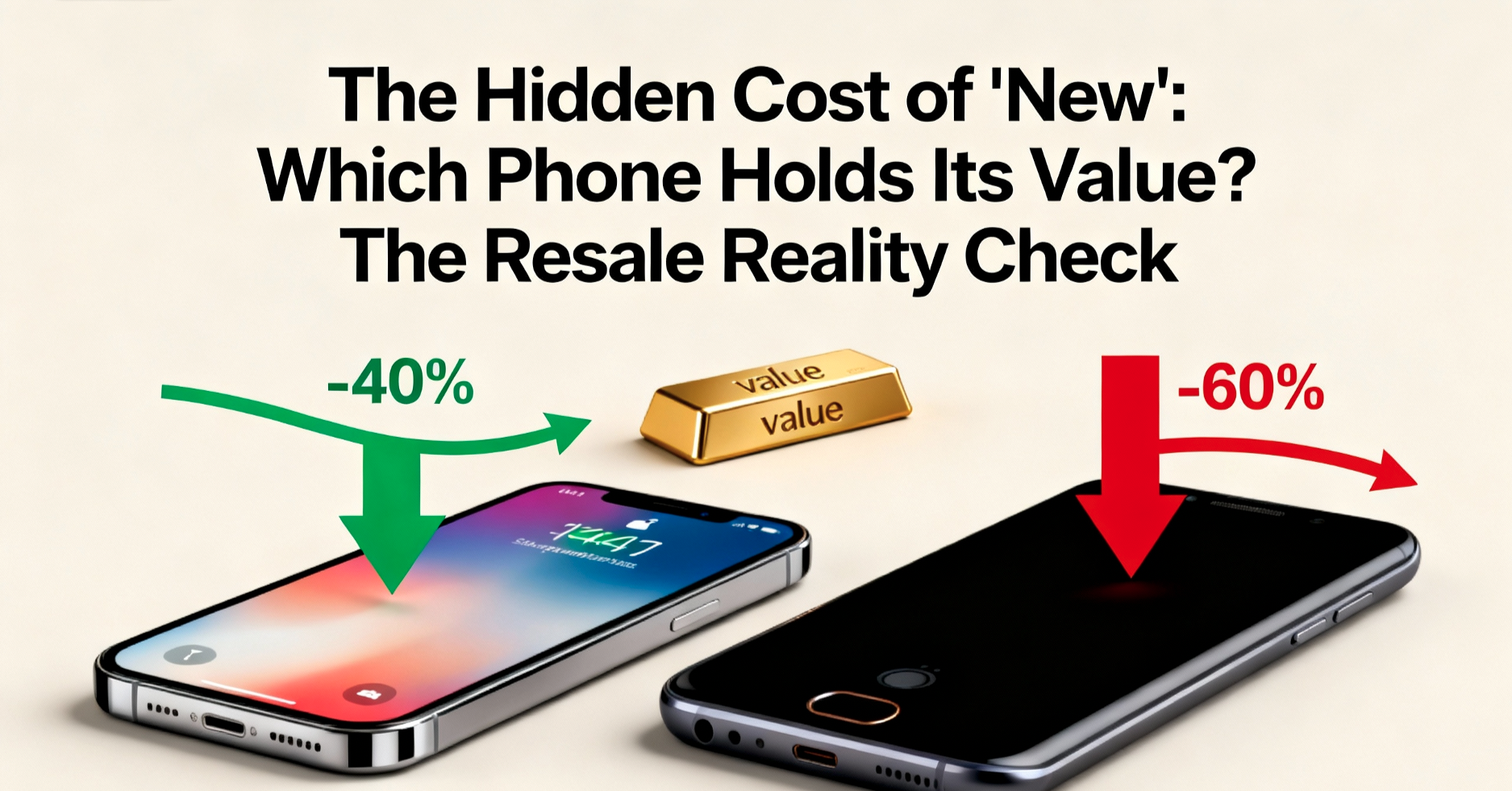
That shiny new phone in the ad promises the world. But there’s a hidden, silent cost most of us never calculate: the moment you unbox it, your brand-new gadget begins its steepest financial plunge. The real story of value isn't told at the checkout counter, but in the resale market months or years later. It's here that your "old" phone reveals its true worth and the financial wisdom of your original brand choice.
Let’s pull back the curtain on resale values and discover why some phones hold their value like precious metals, while others vanish into the digital ether, costing you far more than their sticker price.
The Depreciation Shock: The First Year Is a Financial Cliff
Think of a new phone like a new car. The moment you take ownership, its value drops sharply. But not all brands drop at the same rate.
-
Industry Average: A typical Android phone loses 45-60% of its value in the first year.
-
The Apple Exception: An iPhone loses 35-45% of its value in the first year. That 15-20% gap is the "Apple premium" in reverse it’s a retention premium.
The 24-Month Reality Check (The Typical Upgrade Cycle):
Let’s look at the real cost of ownership for a $1,000 phone over two years, factoring in its resale value.
| Brand/Model (Launch Price) | Estimated Resale Value After 2 Years | Net 2-Year Cost of Ownership | Effective Monthly Cost |
|---|---|---|---|
| iPhone 16 Pro $1,099 | $550 - $650 | $449 - $549 | $18.70 - $22.87 |
| Samsung Galaxy S24 Ultra $1,299 | $500 - $600 | $699 - $799 | $29.12 - $33.29 |
| Google Pixel 9 Pro $999 | $350 - $450 | $549 - $649 | $22.87 - $27.04 |
| Mid-Range Android $600 | $150 - $200 | $400 - $450 | $16.66 - $18.75 |
Data is an aggregate based on 2025 Q1 averages from major resale platforms (Swappa, Back Market, local markets) and assumes good condition.
The chart reveals the hidden narrative: The phone with the highest upfront cost (iPhone) can have a lower true cost of ownership than a flagship Android competitor. The mid-range phone has the lowest net cost, but you sacrificed top-tier features for those two years.
The Resale Hall of Fame: What Makes a Phone "Worth Gold"?
Not all old phones are created equal. Certain brands and models are assets; others are expenses. Here’s the hierarchy:
1. The Gold Standard: Apple iPhone
-
Why: It’s the undisputed champion. iPhones have a loyal, global buyer base, longer software support (7+ years), and a perception of lasting quality. The ecosystem lock-in (AirPods, Mac, iPad) means someone buying a used iPhone is buying into a club. Pro models hold value even better than standard ones.
-
The Verdict: Buying an iPhone is the closest thing to a technology savings bond. You pay a premium for liquidity.
2. The Silver Tier: Samsung Galaxy S & Z Series
-
Why: As the Android flagship leader, Samsung has strong brand recognition. The S Ultra modelsand Fold/Flip devices retain value reasonably well due to their distinctive features and premium positioning. However, they face stiffer competition within the Android space and faster depreciation due to more aggressive discounting on new models.
-
The Verdict: A solid asset, but expect a steeper initial drop. The unique form factor of foldables can sometimes defy trends, acting as its own niche.
3. The Bronze Contenders: Google Pixel & OnePlus
-
Why: Google Pixels have a cult following for their camera and software, which helps resale. However, historically lower launch prices and frequent sales can depress the used market. OnePlus has seen its "flagship killer" aura fade, impacting its ability to hold value against Samsung.
-
The Verdict: Good value for the buyer on the used market, which means a bigger hit for the original owner. Their worth is in experience, not investment.
4. The Commodity Tier: Everyone Else (Xiaomi, Oppo, Vivo, etc.)
-
Why: These brands compete fiercely on specs and price, flooding the market with high-value-new but low-value-used devices. Their software support is shorter, and brand perception in Western resale markets is weak. They are fantastic phones to use, but poor phones to resell.
-
The Verdict: Expect value to fall off a cliff. They are technological consumables, not assets.
The Factors That Mint a Phone's Future Value
-
Software Support Lifecycle: This is the #1 technical driver. A phone getting updates for 7 years (iPhone) has a much longer usable life than one getting 3 years (many Androids). Longevity = value.
-
Brand Perception & Desirability: It’s intangible but powerful. A used iPhone feels like a safe, desirable buy. A used phone from a lesser-known brand feels like a risk.
-
Build Quality & Durability: Phones known for breaking (certain foldables with fragile screens) or having widespread battery issues suffer in resale.
-
Model & Color: Higher storage capacity (256GB vs. 128GB) retains a disproportionate value. Classic colors (black, white) outsell trendy ones (green, orange) on the used market.
The Smart Money Strategy: Thinking of Your Phone as an Asset
-
Buy for the Exit: Before you buy new, check the 2-year-old resale prices of the model you're considering. Let the market tell you its true cost.
-
Protect Your Investment: Use a case and screen protector from day one. A phone in "Excellent" condition can fetch 20-30% more than one in "Good" condition with scratches.
-
Sell at the Right Time: The sweet spot is often just before the next model is announced. Once the new one hits, your old model's value takes another step down.
-
Consider Certified Pre-Owned (CPO): The smartest financial move is often to buy a 1-year-old flagship from a top-tier brand. Let someone else absorb that brutal first-year depreciation, and you get a premium device at a sane price that will still hold value.
So at the end:
The true cost of a phone isn't its price tag. It's the difference between what you paid and what you can get back. In that equation, Apple operates in a league of its own, transforming devices into surprisingly resilient financial assets. Samsung is a respectable contender, while most other brands represent pure, depreciating expense.
Your old phone isn't just e-waste. In its circuitry and glass, it holds residual value a rebate waiting to be claimed on your next upgrade. Choosing a phone with strong resale isn't just about tech loyalty; it's one of the simplest acts of financial wisdom in the modern world.

Comments
Please login to post a comment
LoginNo comments yet. Be the first to comment!